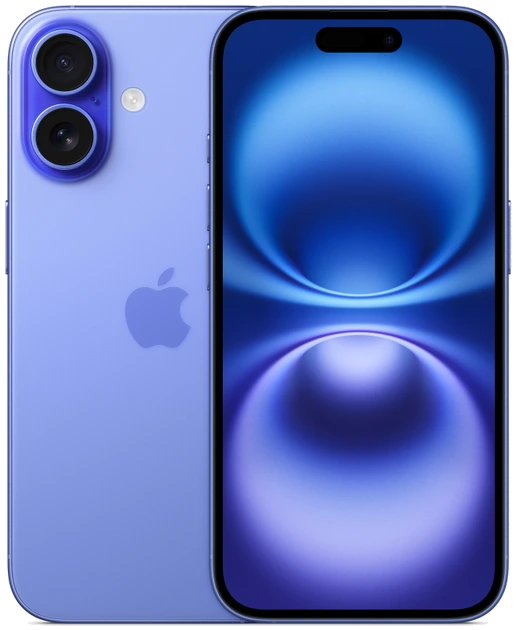
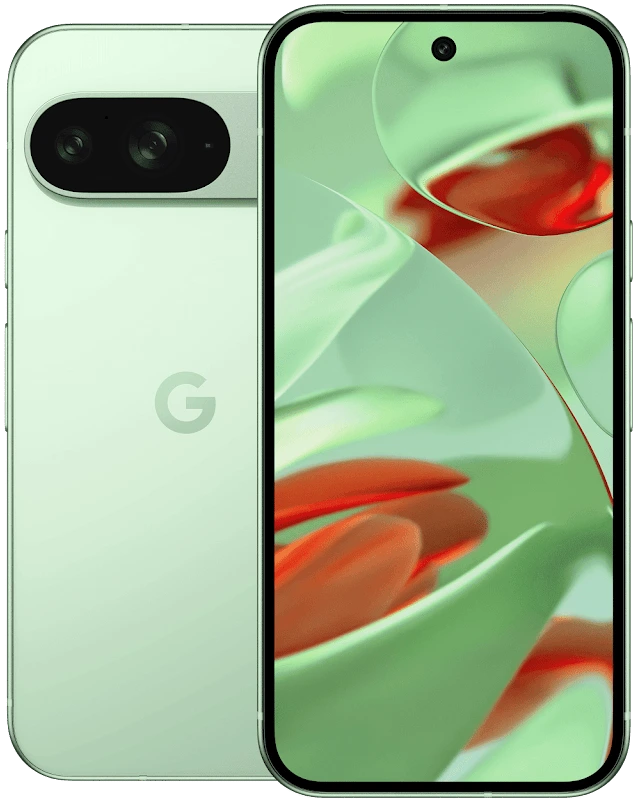
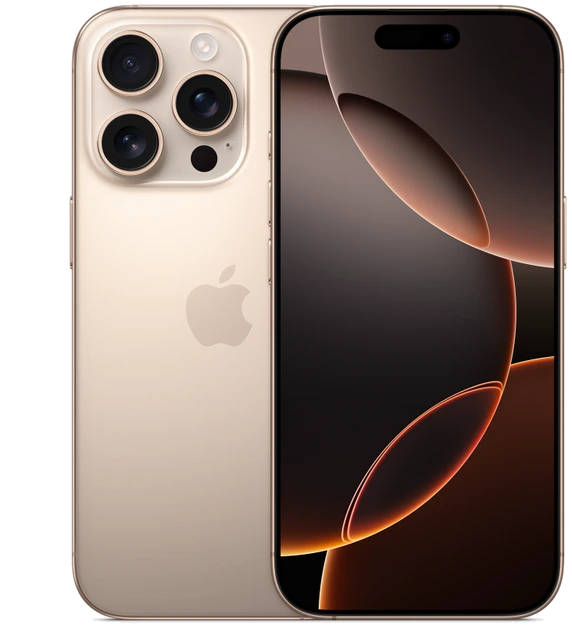
iPhone 16e vs Google Pixel 9a
The Pixel 9a is the more versatile choice for a small room, a physical travel SIM or an Android buyer who values a 60–120 Hz display. The iPhone 16e suits an iOS buyer who mainly uses the standard camera, likes a 6.1-inch phone or needs a 512 GB storage option. These U.S. models were introduced in 2025. The useful comparison today is between the particular capacities, condition and offers you can actually buy.
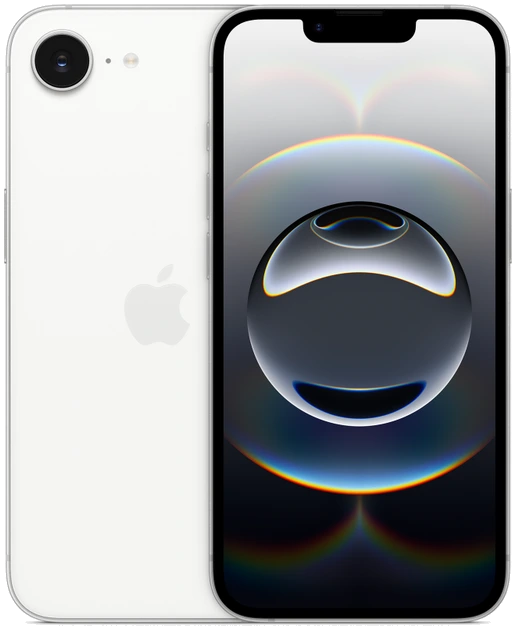
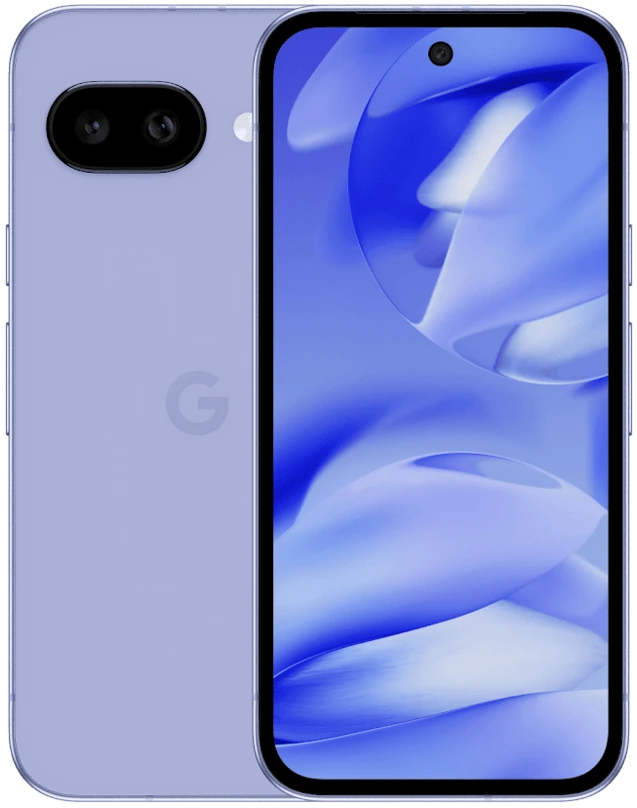
Which photo can you make from where you stand?
Think of a narrow apartment viewing. You stand just outside a bedroom and need to show both the bed and the wardrobe. The Pixel 9a’s separate 13MP ultrawide can fit more of the room from that doorway. The iPhone 16e’s single rear Fusion camera offers a useful 2× view for a detail across the room. It cannot extend the view beyond its standard wide framing from the same position.
A portrait of an object on a desk tells a different story. If you can move the phone and choose the background, the wider lens may hardly enter the decision. Look through a week of your own photos for frames where backing up was impossible. That is a better reason to favour the Pixel than the number of cameras printed on a sales card.
Compare the versions a shop is selling
Match storage first. A 128 GB offer and a 256 GB offer buy different amounts of breathing room for recordings, offline maps and downloaded shows. Include the space needed for apps and for your operating system when you inspect the storage report on your current phone. Then allow for the photos you expect to take before your next replacement.
| U.S. version | iPhone 16e | Google Pixel 9a |
|---|---|---|
| Rear camera hardware | 48MP Fusion camera with a 2× option | 48MP wide and 13MP ultrawide |
| Display | 6.1-inch OLED | 6.3-inch OLED with 60–120 Hz Smooth Display |
| Listed capacities | 128, 256 or 512 GB | 128 or 256 GB |
| SIM arrangement | eSIM for U.S. units | Nano-SIM slot and eSIM support |
Run a travel rehearsal
If you already have a physical SIM for a second country, ask its carrier whether your current plan can move to eSIM. The answer can rule out the U.S. iPhone 16e, even if that model is the better deal. On Pixel, confirm the exact unit is unlocked and supported by the carrier. A physical slot does not by itself establish that a foreign network will activate a particular handset.
For someone away from a desk, charging convenience matters alongside the battery itself. Both models support wireless charging. Inspect the pad and cable you actually use at work. Bring your case if you try a display unit. A phone that sits flat and begins charging every time suits that desk better than an advertised peak that requires a different stand or adapter.
Decide how much experience you want to carry over
An iPhone owner may already know where backups live, which family member controls purchases and how to recover an account. A switch can be worthwhile, especially for the wider camera, but write down which of those jobs would need new settings. An Android owner can do the same exercise in reverse. Test an essential work app and confirm that you can sign in through the new phone.
Keep the handset condition alongside the price when comparing these older models. Ask for the battery assessment, return terms and promised storage in writing. A 256 GB Pixel with room for your offline files can be the better travel choice. An iPhone 16e at the right capacity can be the simpler purchase for a household that wants continuity and mostly photographs one person at a time.